The Story of Grapevine Budburst
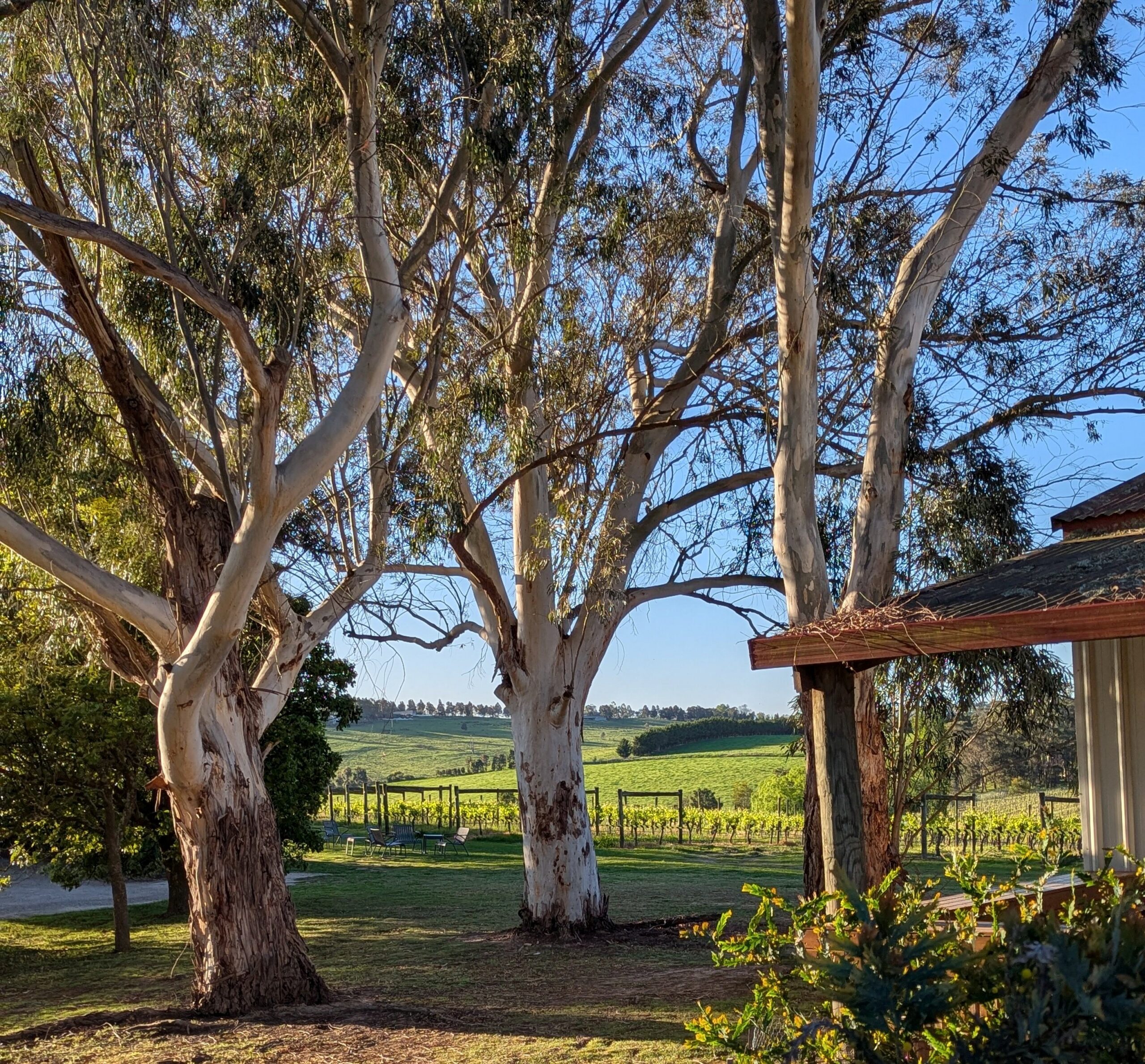
While the forecast hot weather for summer has many concerned, the spring weather thus far has provided a textbook start for the growing season.
The rain arrived in late winter, with sufficient quantity to give the soil a good soaking as well as topping up the dam. This was followed by the sun and warmth of September that delivered the ideal conditions for budburst.
Budburst is the moment when the vine awakens from the dormancy of winter and the first green buds push through. Budburst is triggered by soil and air temperatures signaling to the vine that conditions have improved adequately to allow the vine to continue to grow. Budburst will occur at different time for each variety and at different times throughout the vineyard, so settled conditions through September are necessary.
Budburst officially makes the beginning of the annual grapevine growth season, that culminates in the grape harvest in February 2027. The success of budburst determines the potential size and shape of the crop in the upcoming season. It is also a time when the vine is vulnerable as adverse conditions, particularly spring frost can damage the fragile new tissue.
Interesting to note, the buds are actually formed in the previous growing season and develop over the warmer months. This means that wet or cool conditions during the previous summer can effect the fruitfulness of the vine in the next growing season.